Board game mechanic
Induction
Players work out a hidden rule by testing examples. One player knows the rule and says which tries fit it, while the others propose tries and reason from the answers until they can state the rule.
Induction is a mechanic where players uncover a hidden rule by reasoning from examples. One player knows the rule and judges each proposed example as fitting or not. The others test tries, watch the verdicts, and reason from the pattern until they can state the rule.
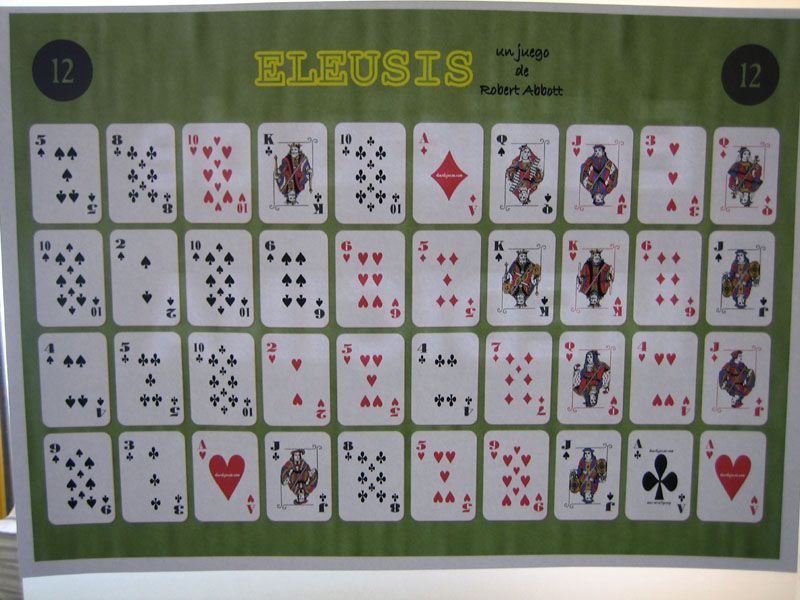
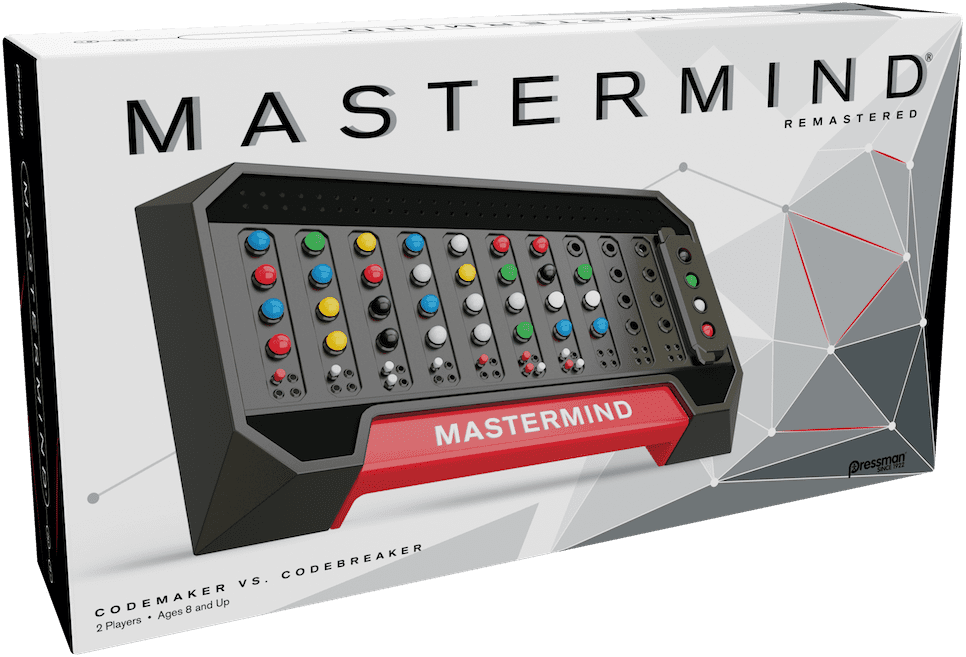
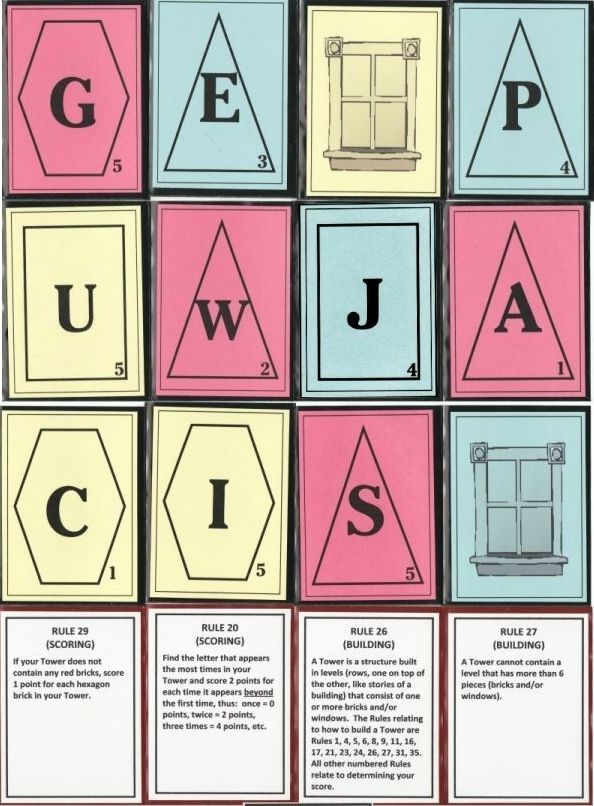
At the table, the judge fixes a rule in secret, often on a card, and sets up the starting layout. A player proposes a try, such as a placement or arrangement of components, and the judge answers yes or no. Players log each result and change one feature at a time to isolate what matters. When someone believes they know the rule, they state it aloud, and a correct statement usually wins the round.
The mechanic asks players to form hypotheses, design tests that separate rival rules, and avoid random guessing. The judge must answer honestly and consistently, or the puzzle breaks. Progress depends mostly on how well a player chooses tests, though the rule itself may be easy or hard to find. The tension lies in deciding when to stop testing and risk a wrong statement.
Some games rotate the judge role among players, while others keep one fixed judge. Variants differ in how correct statements are scored, whether tries are limited, and whether a wrong statement costs a player their turn. Some games combine induction with deduction or hidden information.