Board game mechanic
Track Movement
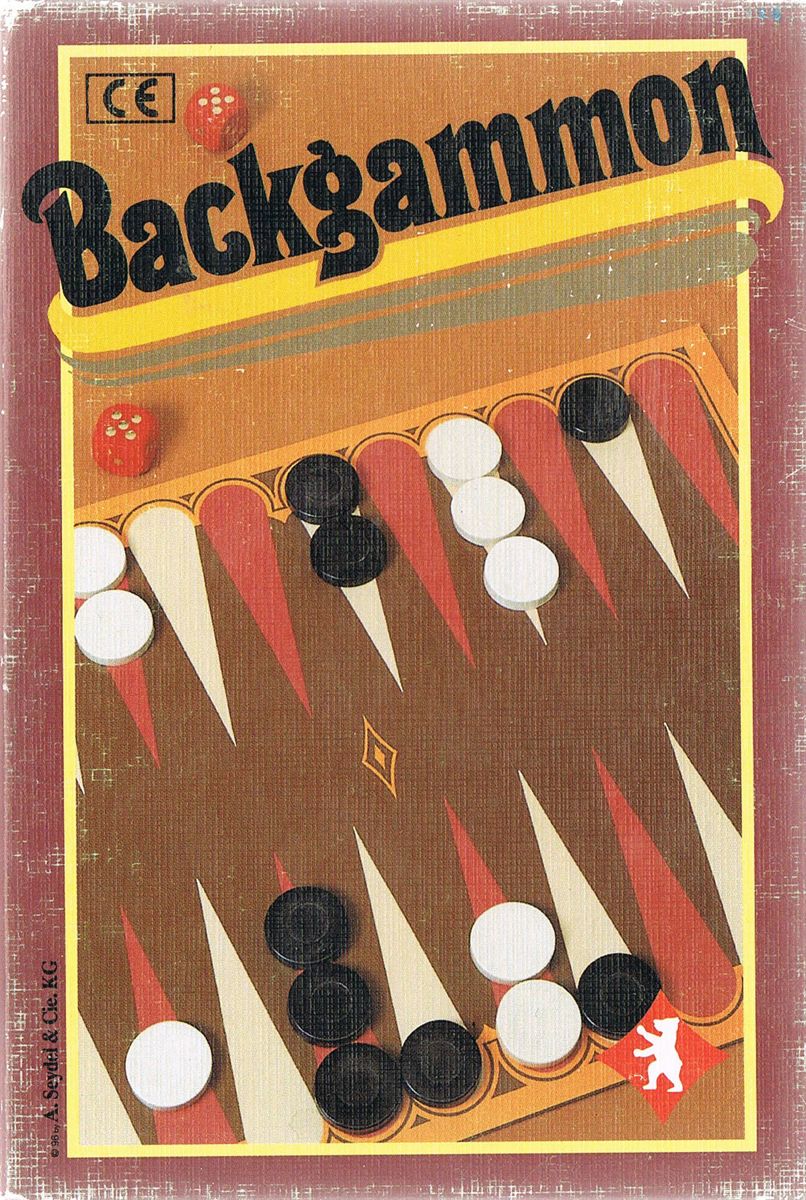
Players move their pieces along one linear path of spaces, such as a race course or a score track. Position on the track often decides progress, scoring, or turn order.
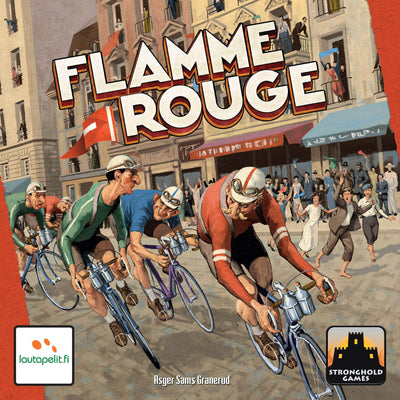
Track movement means pieces travel along one line of spaces, which may be an open path or a closed loop. The track usually serves as a race course, where the first piece to finish wins, or as a score track, where a marker's position shows points.
Each player starts a piece on the first space. On a turn, the player sets a movement amount, often by rolling dice or spending a resource, and moves a piece that many spaces forward. Landing on certain spaces may trigger a bonus, a penalty, or a change in turn order.
Players must judge which piece to advance, since moving one may pass rewards or leave another behind. Because the line is linear, standings are easy to read at a glance. Chance usually sets the distance moved, while skill shows in timing moves and using special spaces.
Variants include loops, branching paths, and score tracks that wrap around when a marker passes the end. Track movement is often paired with dice rolling, card draw, or actions tied to specific spaces.