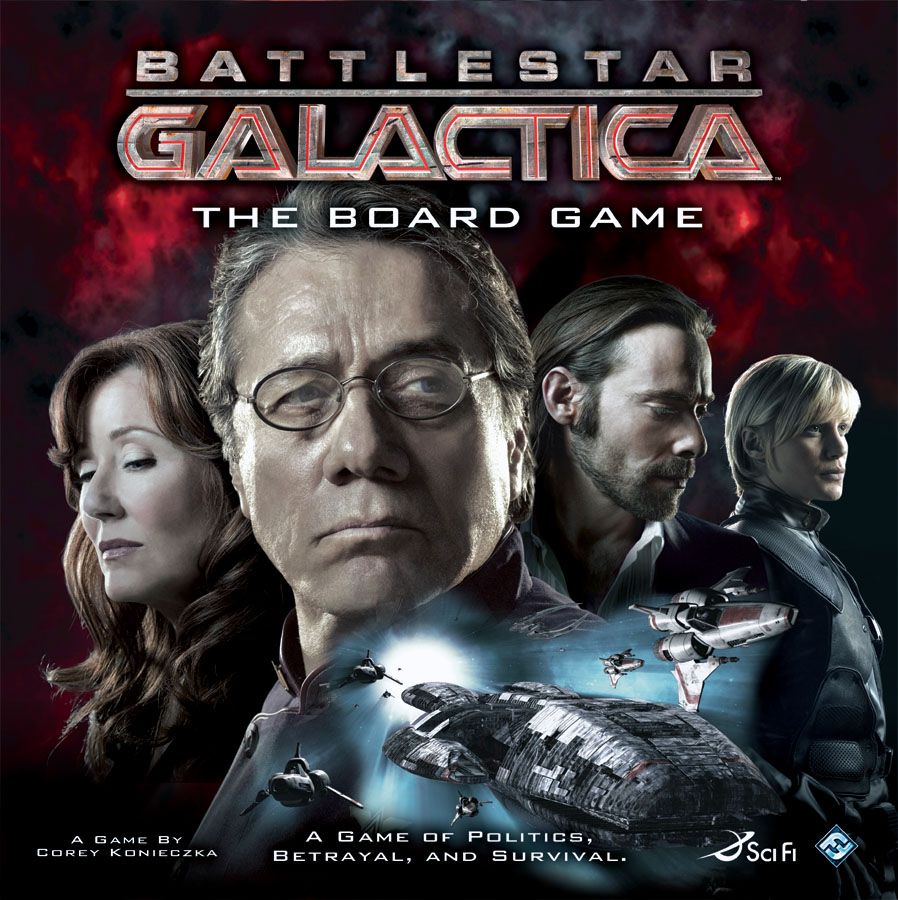
Board game mechanic
Voting
Players choose between options by casting votes, and the option with the most votes, or a rule-defined share of them, is adopted. It decides which proposal, leader, or action the group carries out.
Voting is a mechanic in which players settle a question together by each casting a choice and tallying the results. The question might concern a proposal, a game event, or which player gets a benefit. The rules set how the count works, such as a simple majority or a tie-breaking rule.
At the table, the question and its options are stated, often by a rule or the active player. Each player casts one vote, frequently by placing a token or card face down so the votes are revealed together. The group counts them and applies the result, which might move a marker, resolve an effect, or set the next action. Some games repeat the vote over several rounds.
Voting asks players to predict how others will vote and whether to back a proposal they would not choose alone. With open votes, players can lobby, bargain, or make promises; with secret votes, the tension lies in guessing the count. The result depends partly on what others do, so persuasion and reading other players can matter as much as the rules themselves.
Variants differ in how votes are weighted. Some games give players unequal votes through influence tokens or positions, and some let players spend resources to add votes to a tally. Other games use voting only once, to elect a leader or pick a winner, rather than during every round.