Board game mechanic
Worker Placement
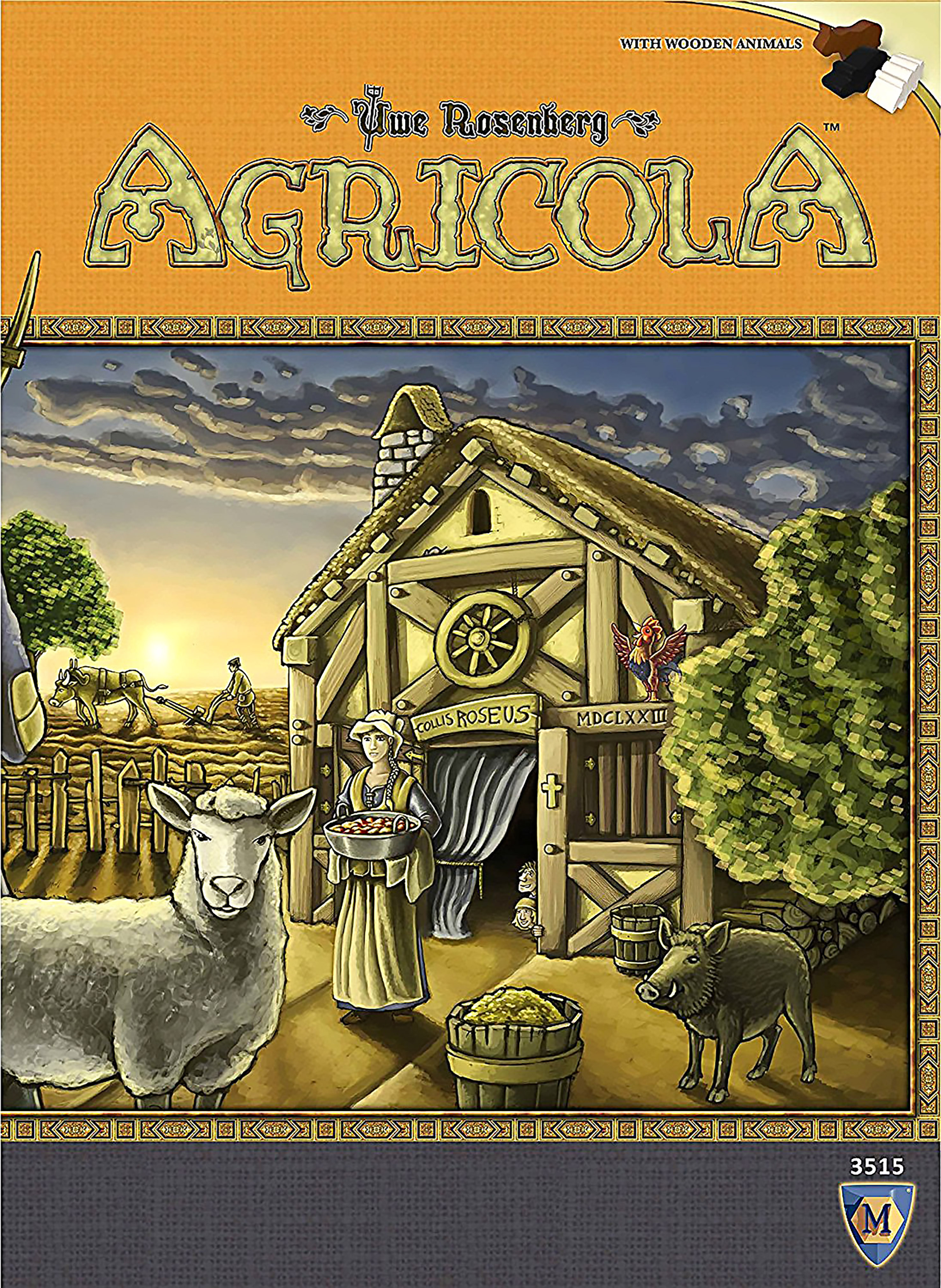
Players take turns placing tokens, called workers, on spaces of a shared board. Each space usually grants one action and holds only one worker, so placements decide which actions each player gets and which are blocked for others.
Worker placement is an action-selection mechanic in which each player owns a small set of workers, usually wooden cubes or meeples, and uses them to claim spaces on a common board. Each space names an action, such as gathering a resource, buying a card, or advancing a track. Taking that action is tied to putting a worker on the space.
On a turn, a player takes one worker from their supply, places it on an open space they can afford or are allowed to use, and carries out the action at once. While the worker stays there, no other player can use that space. Workers usually return to their owners at the end of a round or when a player pays to recall them, so the spaces open again. Turns continue until every worker is placed.
The mechanic asks players to judge which spaces matter most now, which ones others will take before their next turn, and how to order actions so that early ones support later ones. Blocking an opponent's key space can matter as much as gaining one's own. Because the board is shared and visible, the set of options shrinks as play goes on, and skill lies in predicting others' moves. Some games add dice or card draws that affect what is available.
Common variants include spaces that hold several workers, workers with different abilities or costs, and fixed turn orders tied to the placement. Some games combine the mechanic with drafting or resource management.