Board game mechanic
Grid Movement
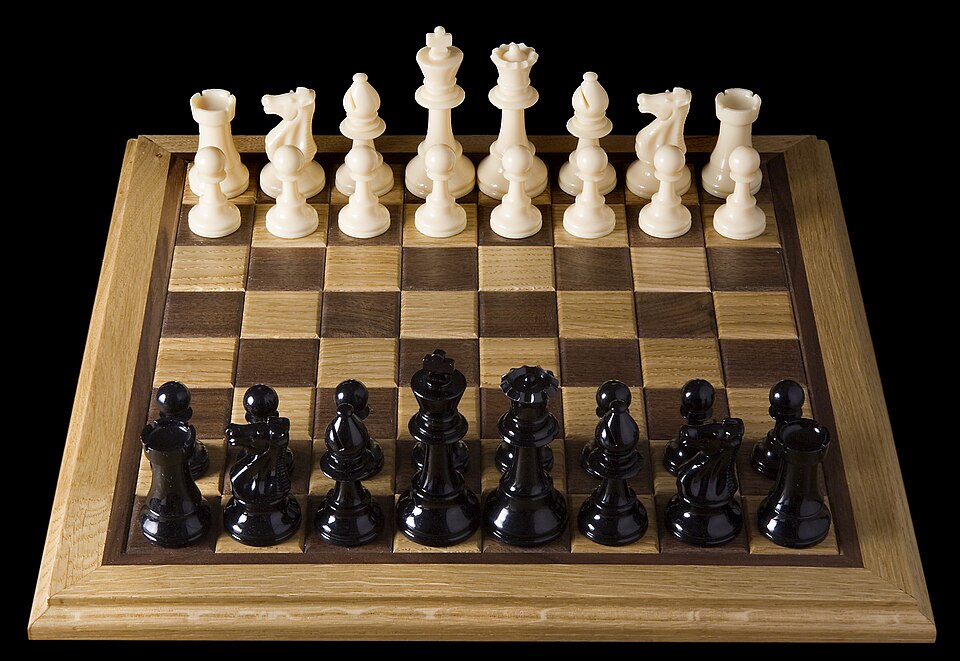
Players move pieces one cell at a time across a board divided into a regular grid of squares or hexagons, with the rules limiting how far each piece may travel and which cells it can enter.
Grid movement is a way of moving pieces across a board divided into a regular pattern of cells. Each piece occupies one cell at a time and moves from cell to cell, with the rules defining which cells count as neighbors. Most grids are square or hexagonal.
On a turn, a player picks a piece and moves it along adjacent cells. Many games set a movement allowance, such as a fixed number of steps, and the piece may not enter a cell that is blocked or already occupied. Some rules make diagonal steps cost more than orthogonal ones, or let a piece move through friendly pieces but not enemy ones. The player counts cells on the grid as the piece travels and stops when the allowance is used up or when the path is blocked.
The decisions are about position: where a piece can reach, which cells it can threaten, and whether moving closer exposes it to attack. Because the grid is visible to everyone, players can usually count distances exactly, so the outcome depends mostly on planning rather than chance. Some games add dice or cards to set how far pieces move, which adds variance. The feel is methodical, with paths checked before each move.
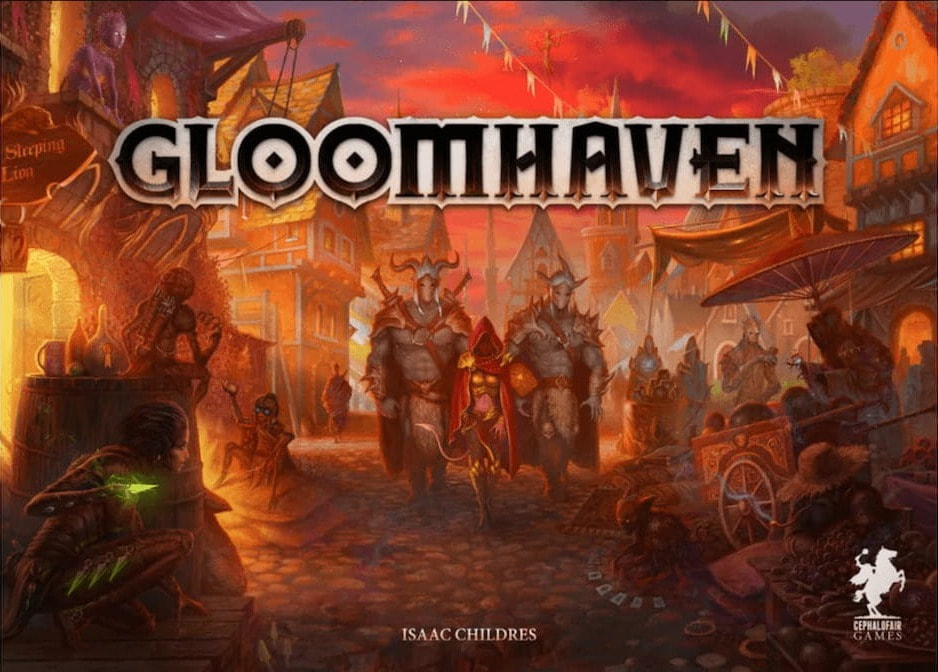
Grid movement is often combined with combat between adjacent pieces, line of sight, or terrain that costs extra steps. Some games use a grid only to place pieces, while others hide moves from opponents on the grid.