Board game mechanic
Square Grid
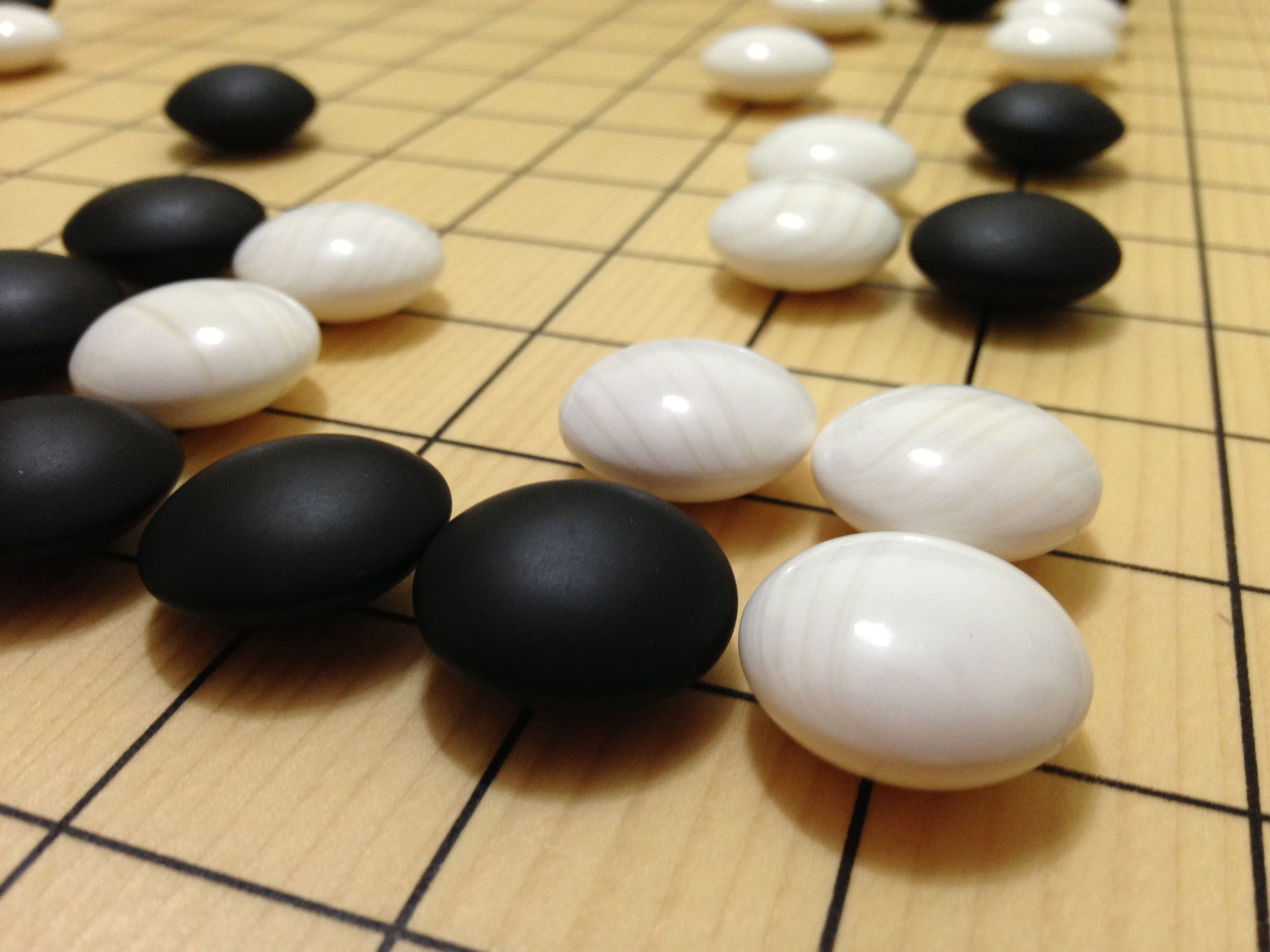
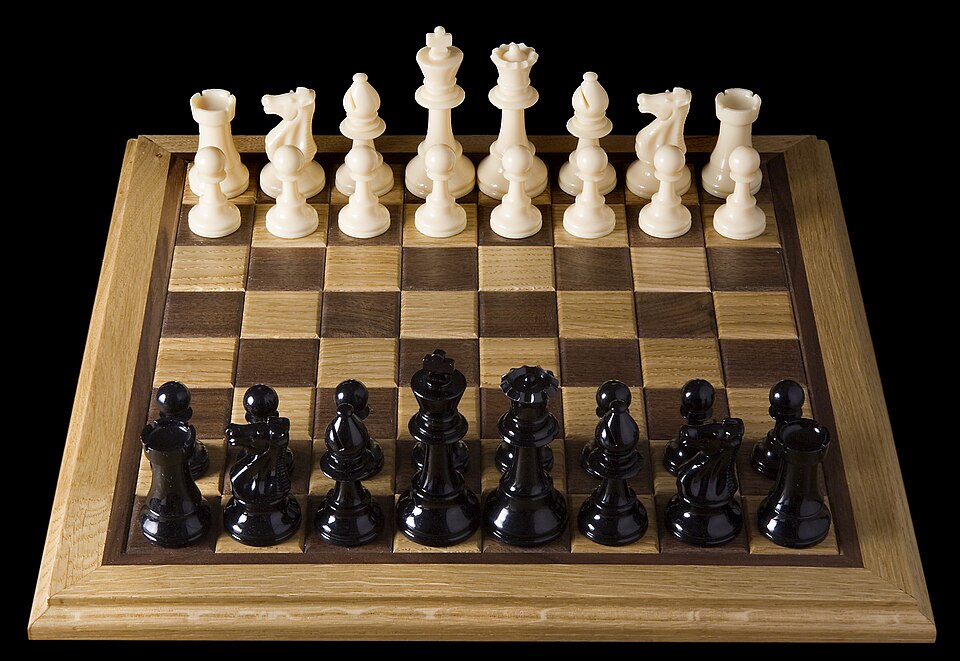
Players place and move pieces on a board divided into equal square cells, where position, distance, and adjacency decide movement, control of areas, and what a piece can reach.
A square grid is a board divided into equal square cells arranged in rows and columns. Each cell can hold a piece, marker, or tile, and the grid gives every position a fixed place. Distances and locations are read by counting cells or by using coordinates, which makes the board a shared measuring system.
At the table, players set pieces on cells at the start of play, then take turns moving, placing, or acting on particular squares. Movement is usually counted in steps along the rows and columns, and many games also allow diagonal steps under a separate rule. Adjacency decides attacks, area control, and line of sight, and a piece's reach is often shown as a pattern of squares. When a move ends, players check what the new positions trigger.
The grid asks players to read distances and blocked squares accurately and to plan routes around opponents. Because every square has a clear set of neighbours, positions are easy to count and compare, so calculation stays transparent. Some games add dice or cards to movement, so the grid sets the limits while chance affects the result.
Variants include rules that allow or forbid diagonal steps, terrain that costs extra movement on certain squares, and boards that are only partly squared or built from separate sections. Some games use the grid only for measuring, with pieces free to sit between cells.