Board game mechanic
Map Deformation
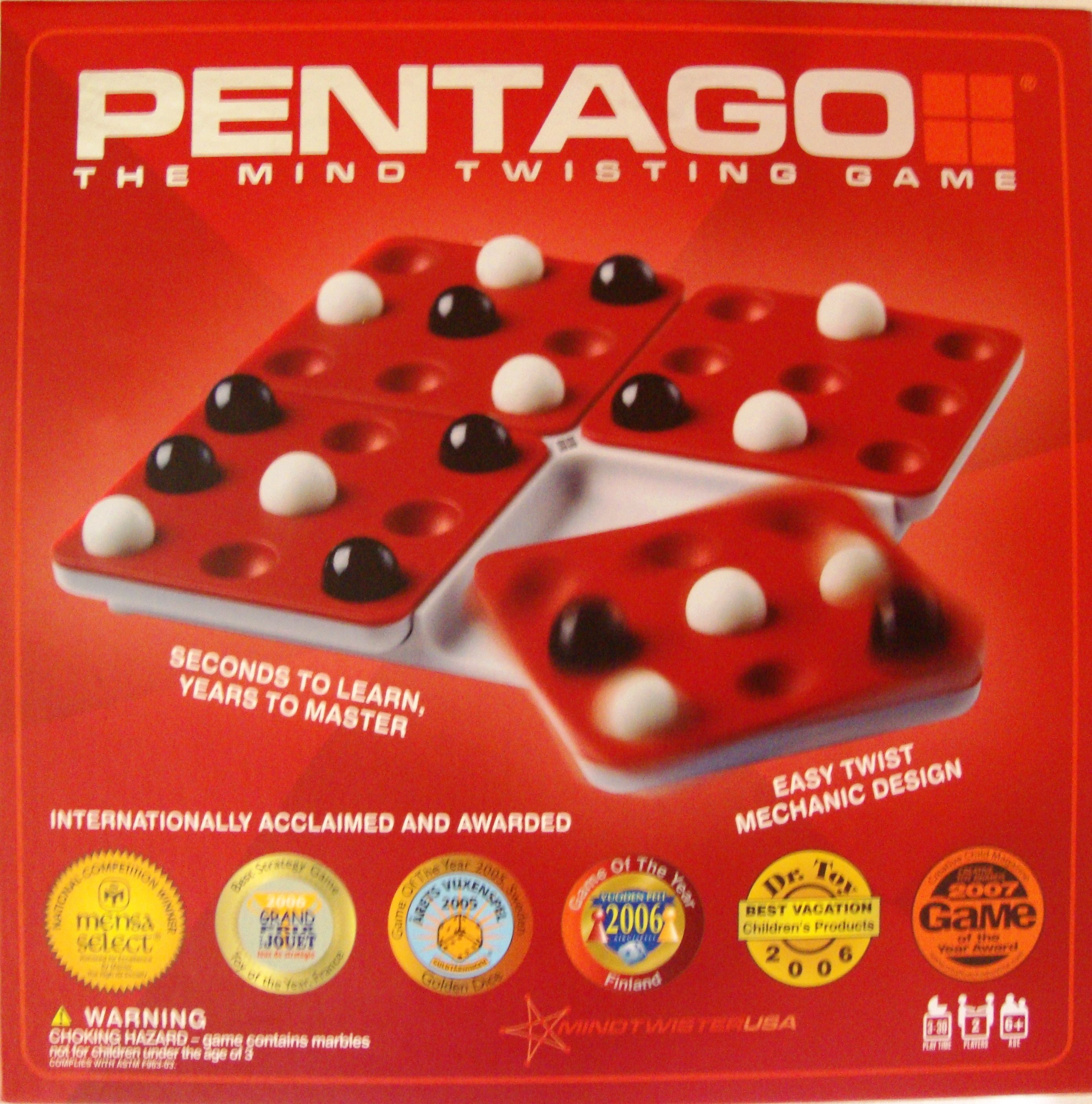
Players change the shape of the board during play by shifting, rotating or sliding parts of it. The changed layout alters which spaces connect and where pieces can move or score.
Map deformation means the board is not fixed for the whole game. Parts of it are moved during play, so the spaces, paths or regions that players use can change. Some games rotate a section around a point, while others slide a row along a track.
On a turn, players usually carry out a shift as a listed step, often triggered by a card, a marked space or a die result. Pieces on the moved section keep their places within it, and the connections to neighbouring areas are recalculated. Ordinary actions such as moving units or claiming regions then follow on the new layout.
The mechanic makes the layout a planning factor alongside the pieces. A shift that helps one player can open a route for opponents, so each move must be checked against several plans. Where a die or card decides the shift, part of the outcome is left to chance; where players choose it, the choice is one of control and timing.
Variants differ in how much of the map moves and who may move it. Some games let any player shift a section, while others restrict it to the active player. The mechanic is often combined with tile placement or area control, where scoring depends on which regions a player holds after the change.