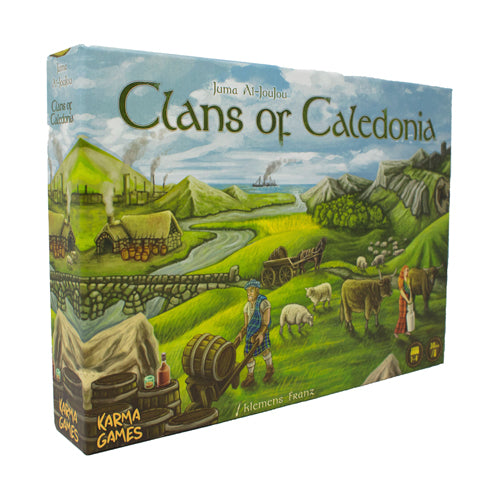
Board game mechanic
Modular Board
Players build the playing area from several separate sections, such as boards or tiles, that are joined before play. How the sections are chosen and arranged sets the routes, spaces, and starting positions for that game.
The modular board mechanic uses a playing surface made of separate pieces rather than one fixed board. Each section carries its own spaces, paths, or terrain, and the way the sections are joined determines the layout for that particular game.
At setup, players select or draw the sections and connect them edge to edge, following either a printed arrangement or their own choices. Some games specify exact positions and orientations, while others let players take turns picking sections or shuffle them at random. Starting positions, resources, or objectives are then placed on the finished board, and play proceeds on that layout.
Because the layout changes from game to game, players must read the assembled board before their first move. Choosing or placing sections can shape distances, access to resources, and the options available to each side, so a player may try to build a layout suited to their plans. Random draws add uncertainty, while the planning that follows rewards adapting to the board in front of them. In games with a fixed layout, the mechanic contributes little beyond setup.
Some games reveal or add sections during play, so the board grows as the game progresses. Others combine modular sections with double-sided pieces that offer alternative layouts, or with tile placement and variable set-up.