Board game mechanic
Paper-and-Pencil
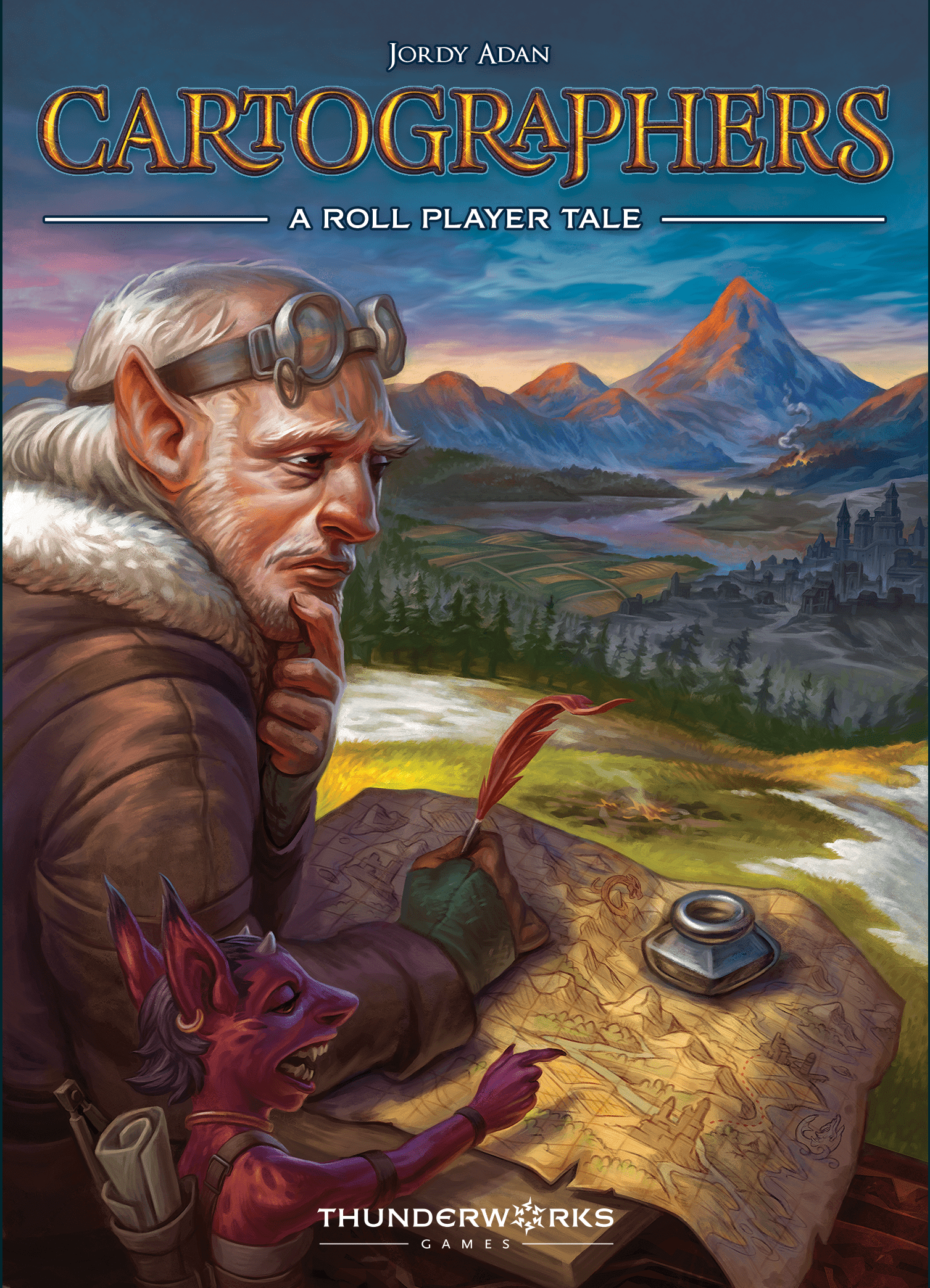
Players record scores, positions, or drawn marks by hand on paper sheets during play. Entries are usually fixed once written, so where each mark goes shapes what the sheet is worth at the end.
Paper-and-pencil is a mechanic in which players record information by hand on sheets of paper or pads during play. The written record usually carries the core of the game, holding scores, hidden positions, drawn shapes, or running tallies that the other components only partly show.
Each player typically starts with a blank sheet or a printed form, such as a grid, a table of categories, or a map outline. On a turn, a player makes a choice or gains a result, often from dice or a shared card, and then marks the sheet where the rules allow. In most games marks are permanent, so an entry cannot be changed later. When the game ends, players total or compare their sheets according to the scoring rules.
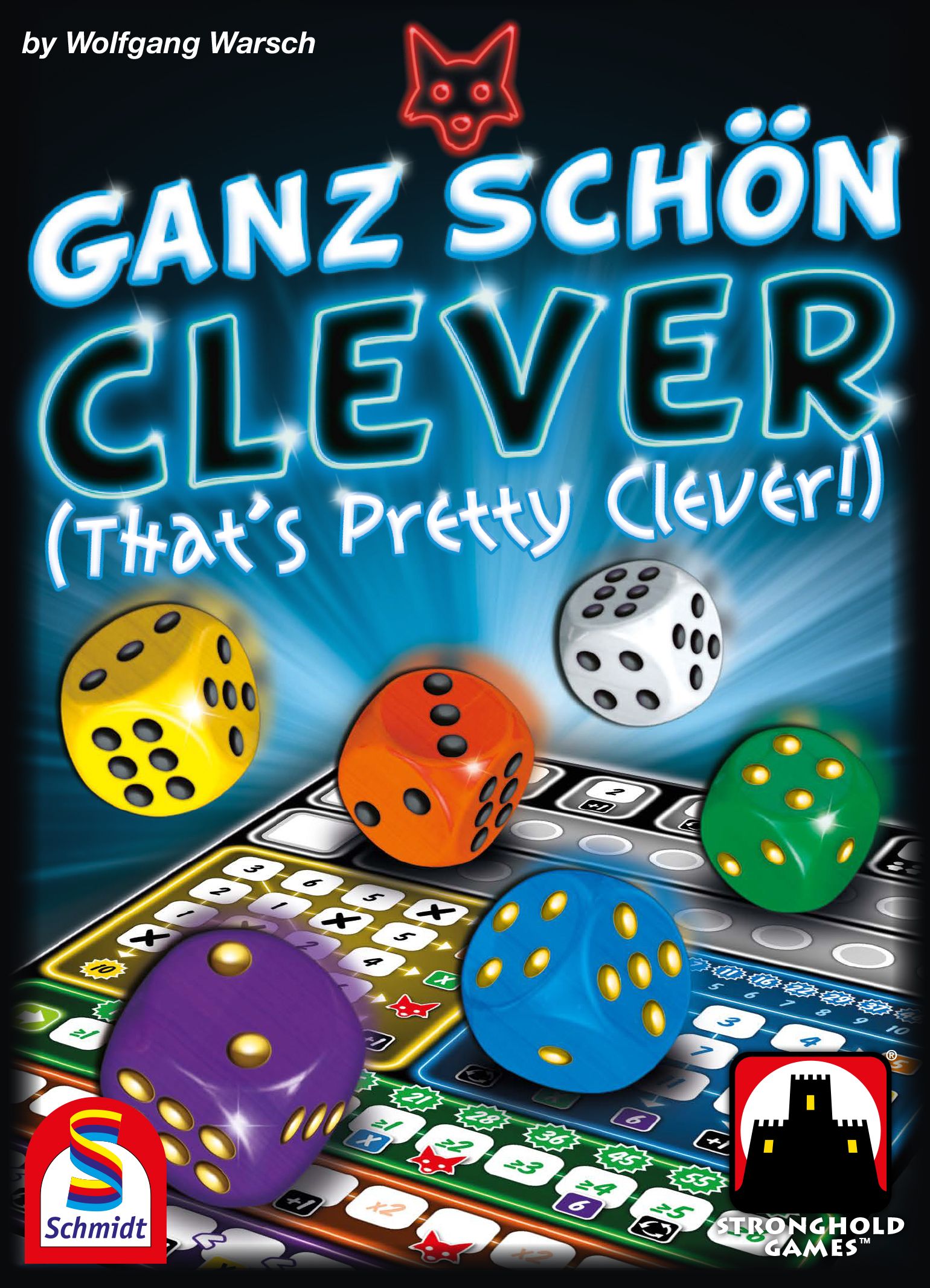
The mechanic asks players to plan across the whole sheet, not only for the current turn. Because marks are fixed, players weigh which cell or category to fill with a given result, and whether to leave a space open for a better outcome later. Luck sets which results appear, while placement decides how useful they are. When sheets are kept hidden, players also guess about opponents' positions, which adds a layer of deduction.
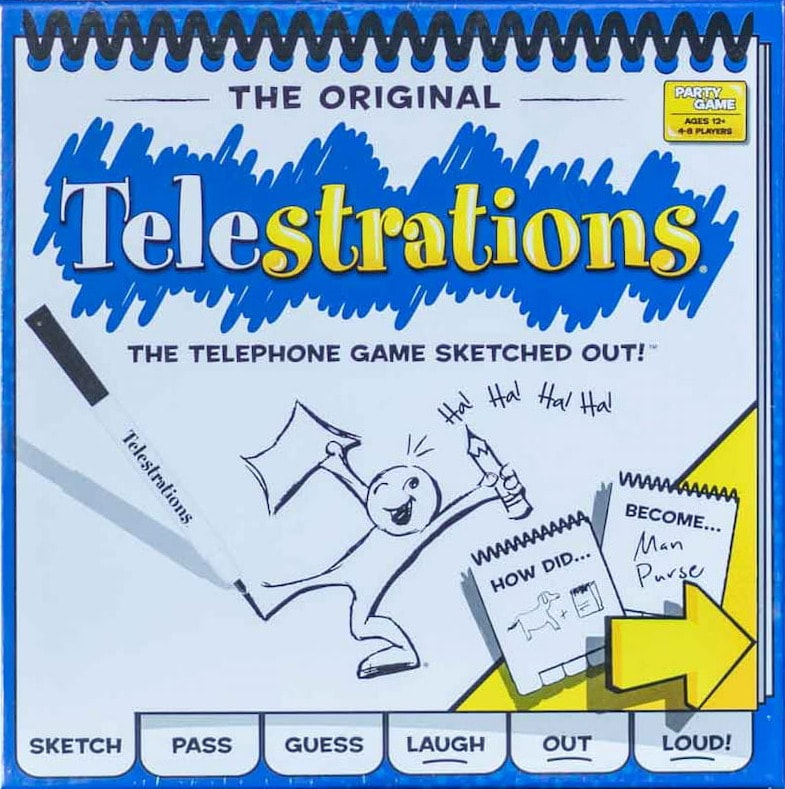
Variants include shared sheets that all players mark at once, and hidden sheets where secret moves are written and later revealed. Some games pair the sheet with dice or cards, or with a board that handles movement while the paper tracks the record. Some games allow erasing or correcting a mark under set conditions.