Board game mechanic
Grid Coverage
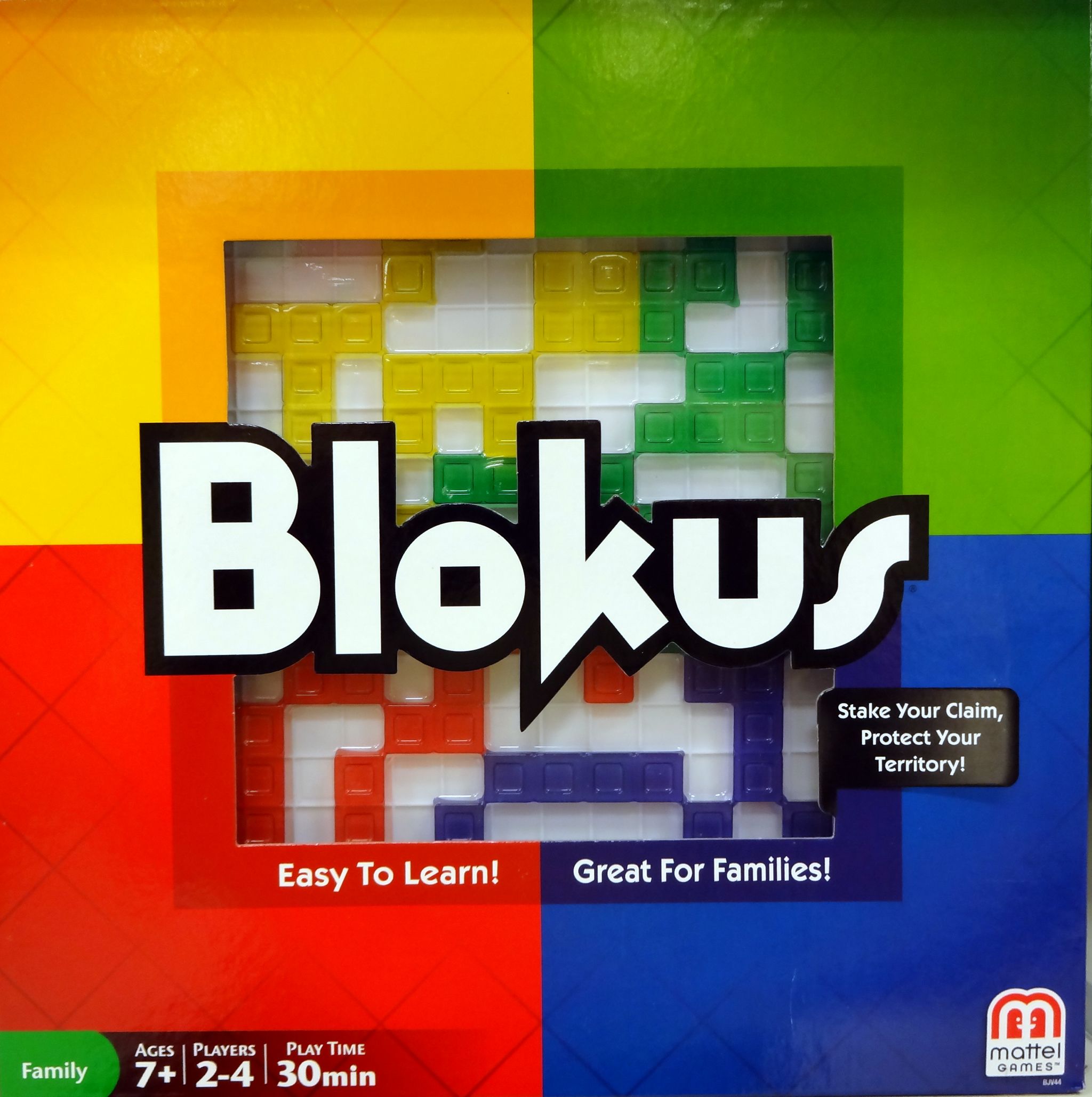
Players place pieces, markers, or tiles on the cells of a grid to claim them. What counts is which cells end up covered, by whom, and in what shape when play ends.
Grid coverage is a mechanic in which the playing area is divided into cells, and players fill or claim cells by placing pieces, markers, or tiles on them. The usual aim is to cover a particular set of cells, to extend coverage across a region, or to hold more cells than opponents do. Cells may be scored individually or as connected groups.
On a turn, a player usually chooses one cell, or a legal group of cells, under the rules in force. Placement often must touch existing marks or follow a rule about adjacency. Covered cells are generally off limits, and placed pieces rarely move. Play continues until no legal placements remain or a set number of turns has passed. Scoring then counts covered cells, complete lines, or shapes formed, and the highest total wins.
The mechanic asks players to balance immediate gain against future room. A placement that scores now may cut off a region that an opponent could use later, so players must judge where coverage will be contested. Much of the challenge comes from reading the shape of the open space rather than from chance. Some games add cards or drawn tiles that limit which cells can be covered on a given turn, which introduces luck. Pressure tends to rise as the open space shrinks.
Variants include games where a covered cell blocks it for everyone, games where a player may overwrite an opponent's mark, and games that attach resource costs or pattern goals to placement. Some games use a grid only as a map for movement rather than as a set of cells to claim.