Board game mechanic
Pattern Movement
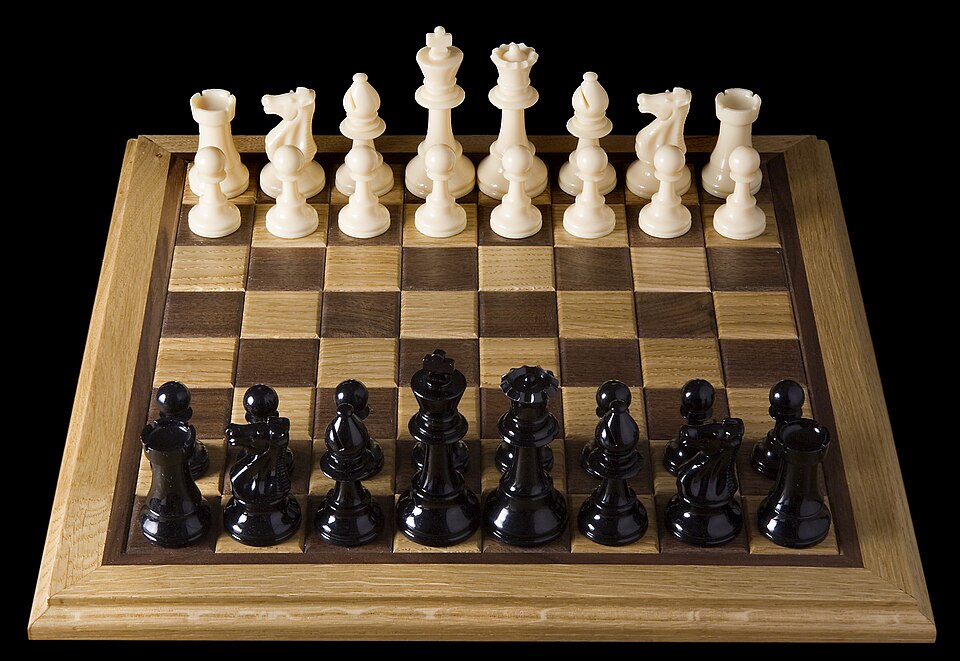
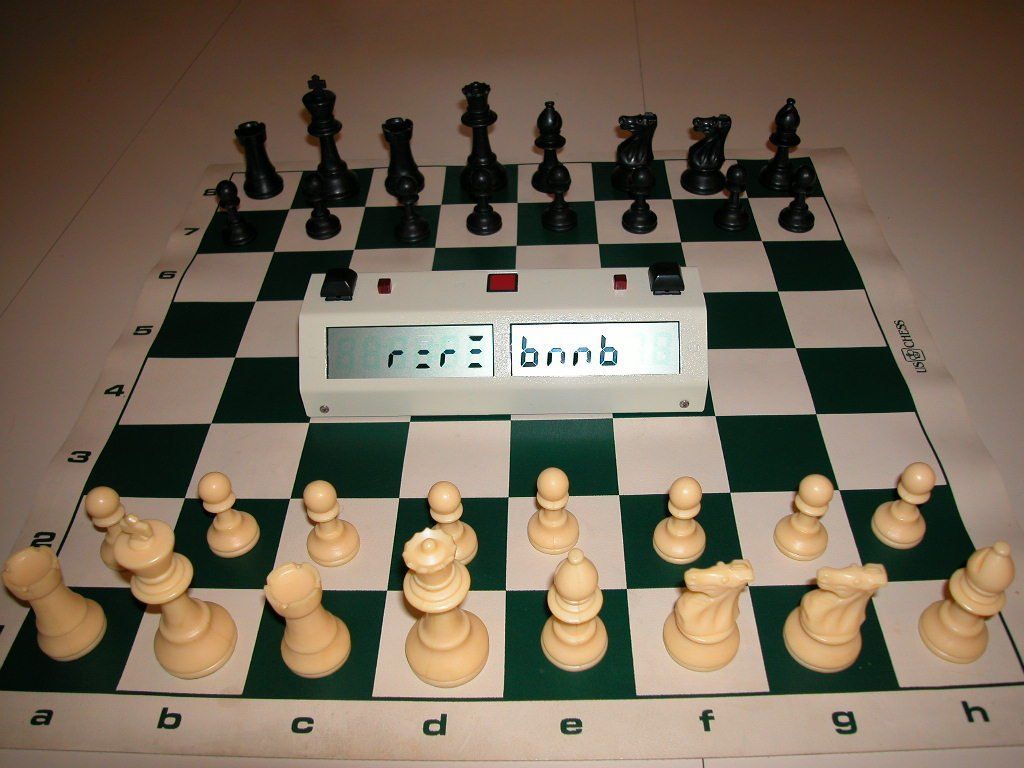
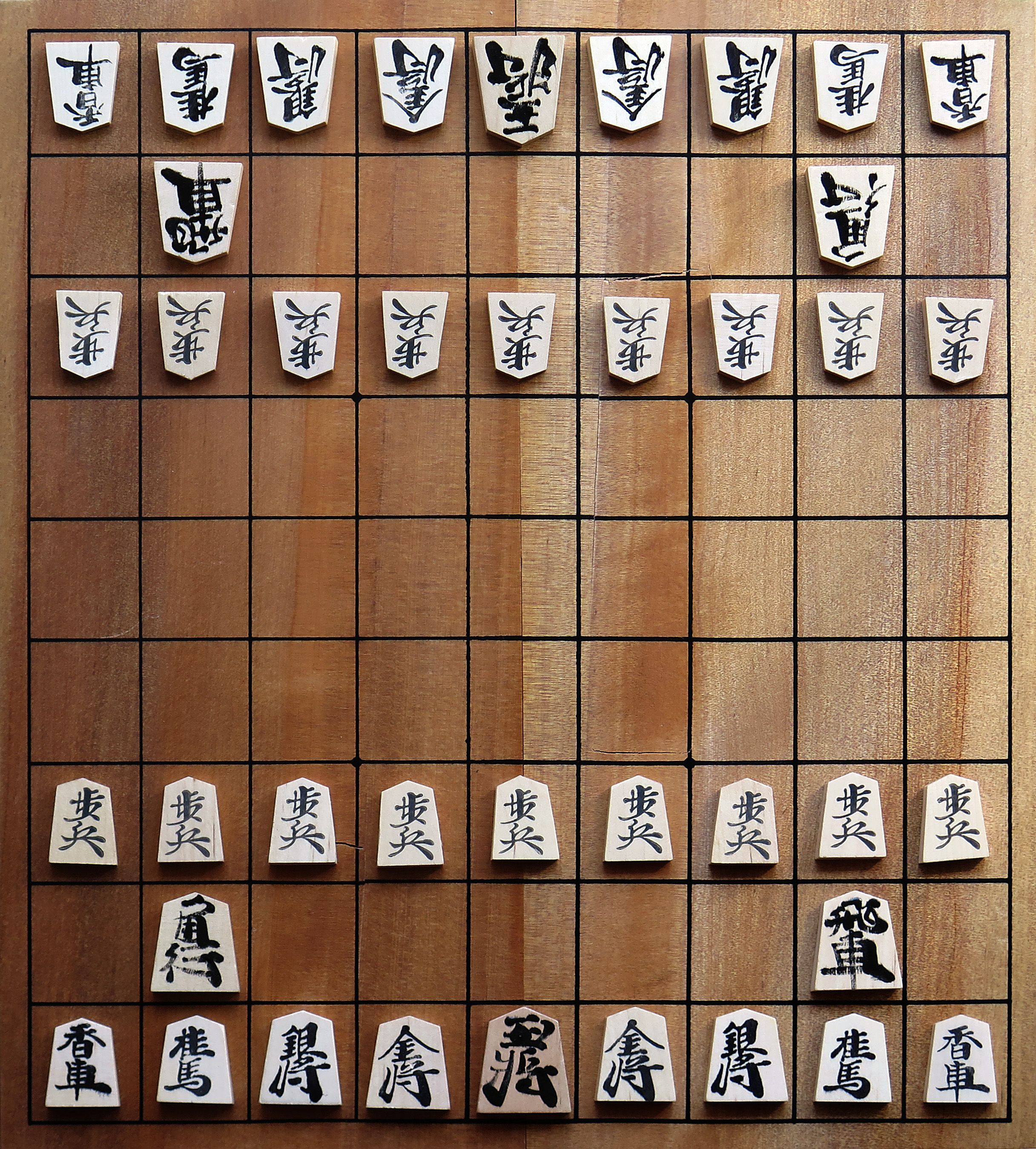
Players move a piece along a fixed shape, such as an L-shaped jump, instead of moving a counted number of spaces. The shape determines which squares the piece can reach on a turn.
Pattern movement is a rule where a piece travels along a set shape rather than counting out a number of spaces. The shape is fixed for each piece type, such as an L-shaped jump, a diagonal line, or a step in any direction followed by another step. The shape defines which squares the piece can reach, and the player chooses among those squares.
On a turn, a player picks one of their pieces and traces its shape from the current position. Each square the shape reaches is a legal destination if it is on the board and the move is not blocked by the rules. The player then moves the piece to one chosen square. Some games let a shape jump over other pieces, while others require the path to be clear at each step.
The mechanic asks players to read the geometry of the board and anticipate where pieces can reach in one move. Because reach does not depend on a roll or a count, the decision rests on position and on what the opponent can reach next. Pieces with unusual shapes can attack squares that ordinary movement cannot, which creates threats and gaps that players must track. Play is generally deterministic, so planning matters more than chance.
Variants include shapes that a player can rotate or choose each turn, and games where a piece's shape changes after it moves. Pattern movement is often combined with a square grid or with a limit on how many moves a turn allows.