Board game mechanic
Pieces as Map
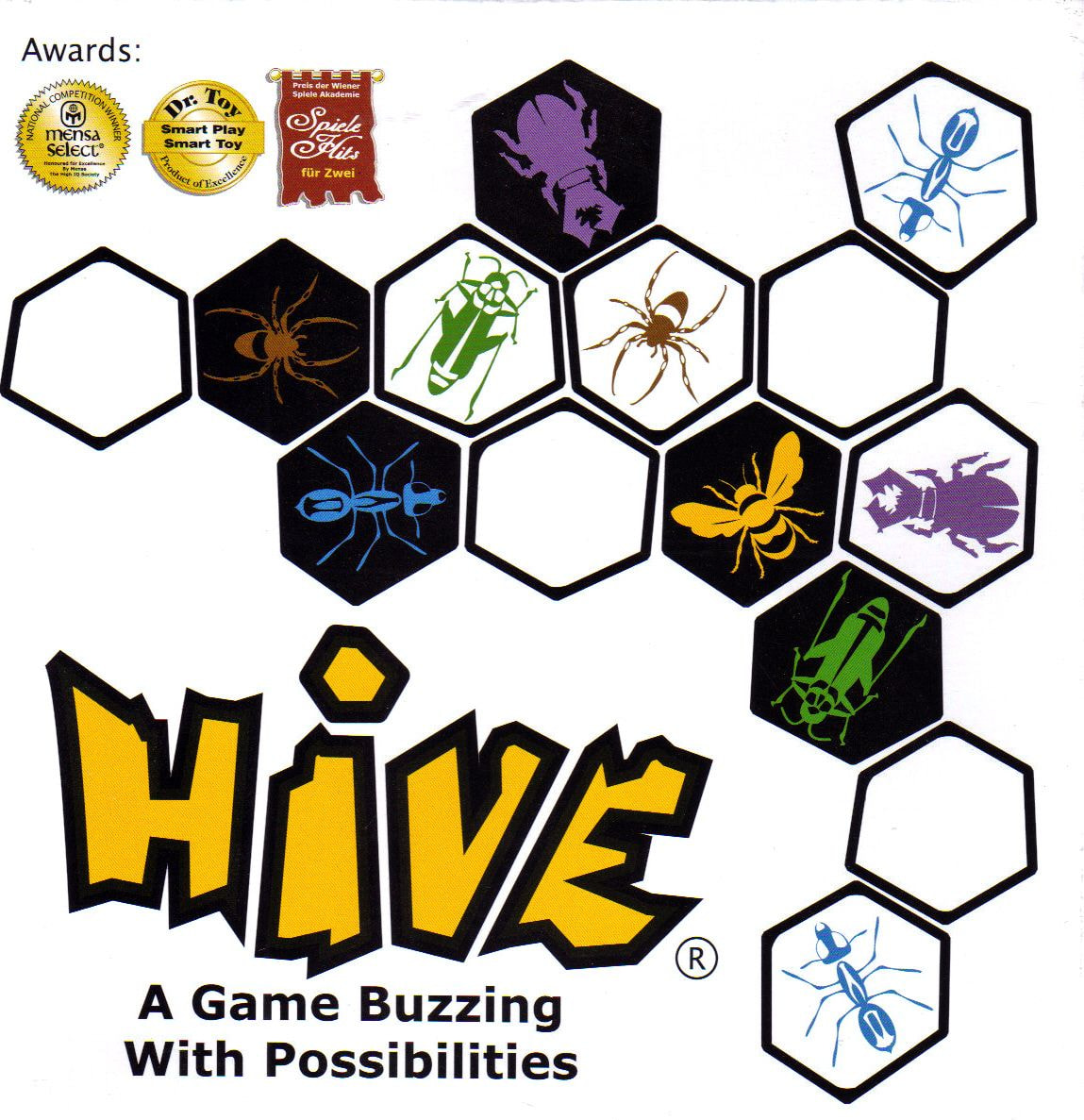
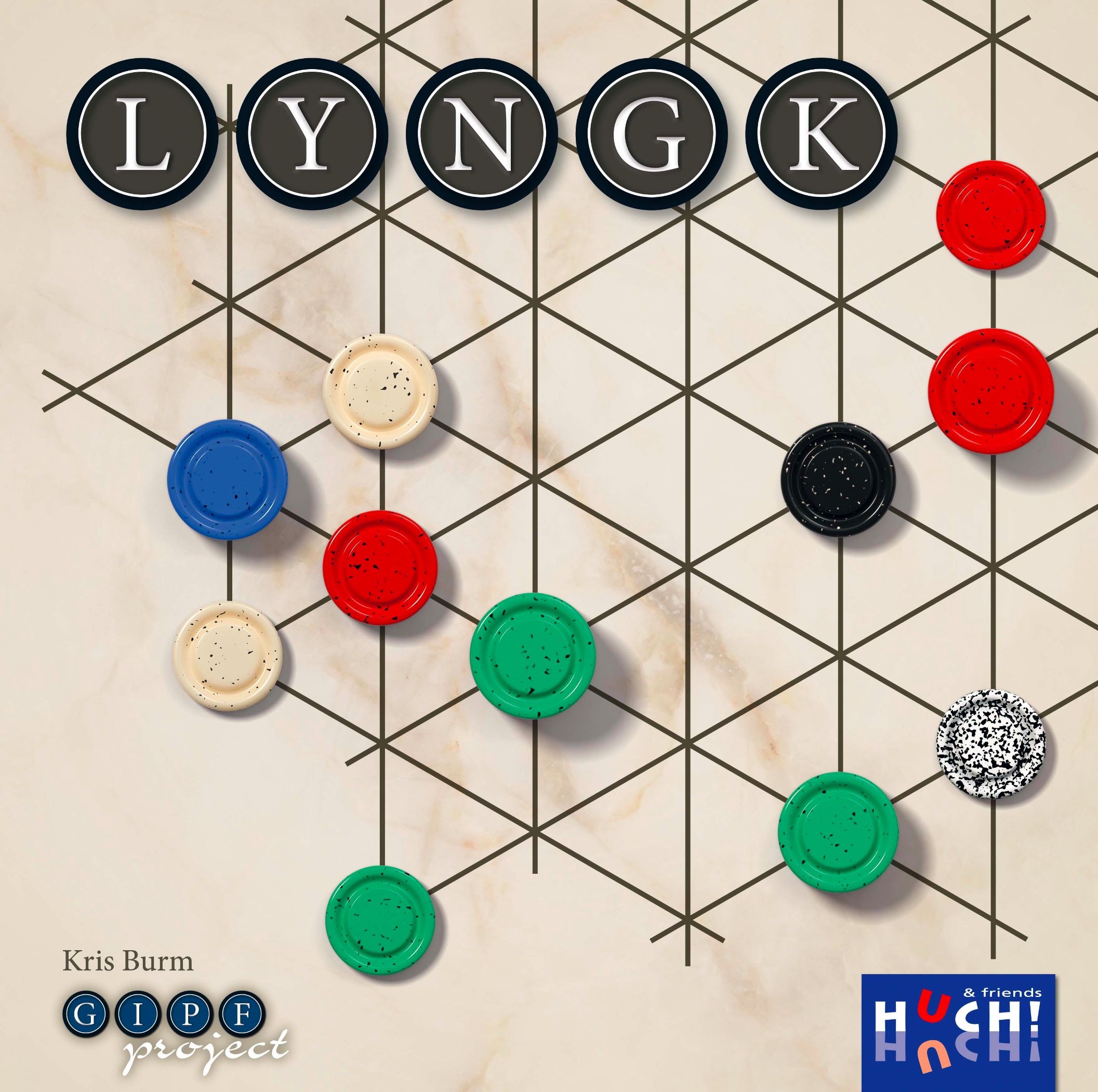
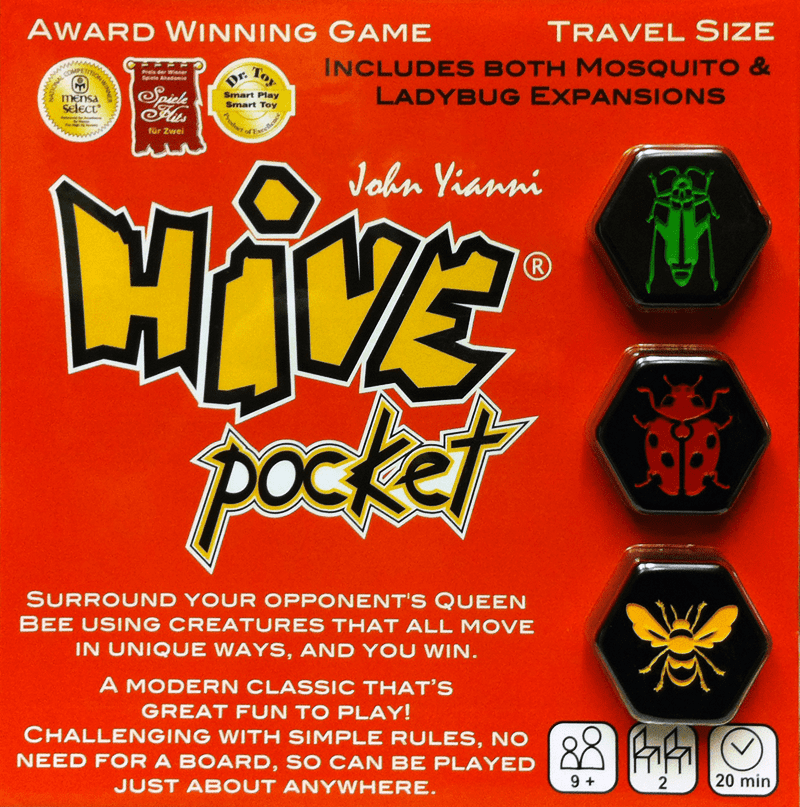
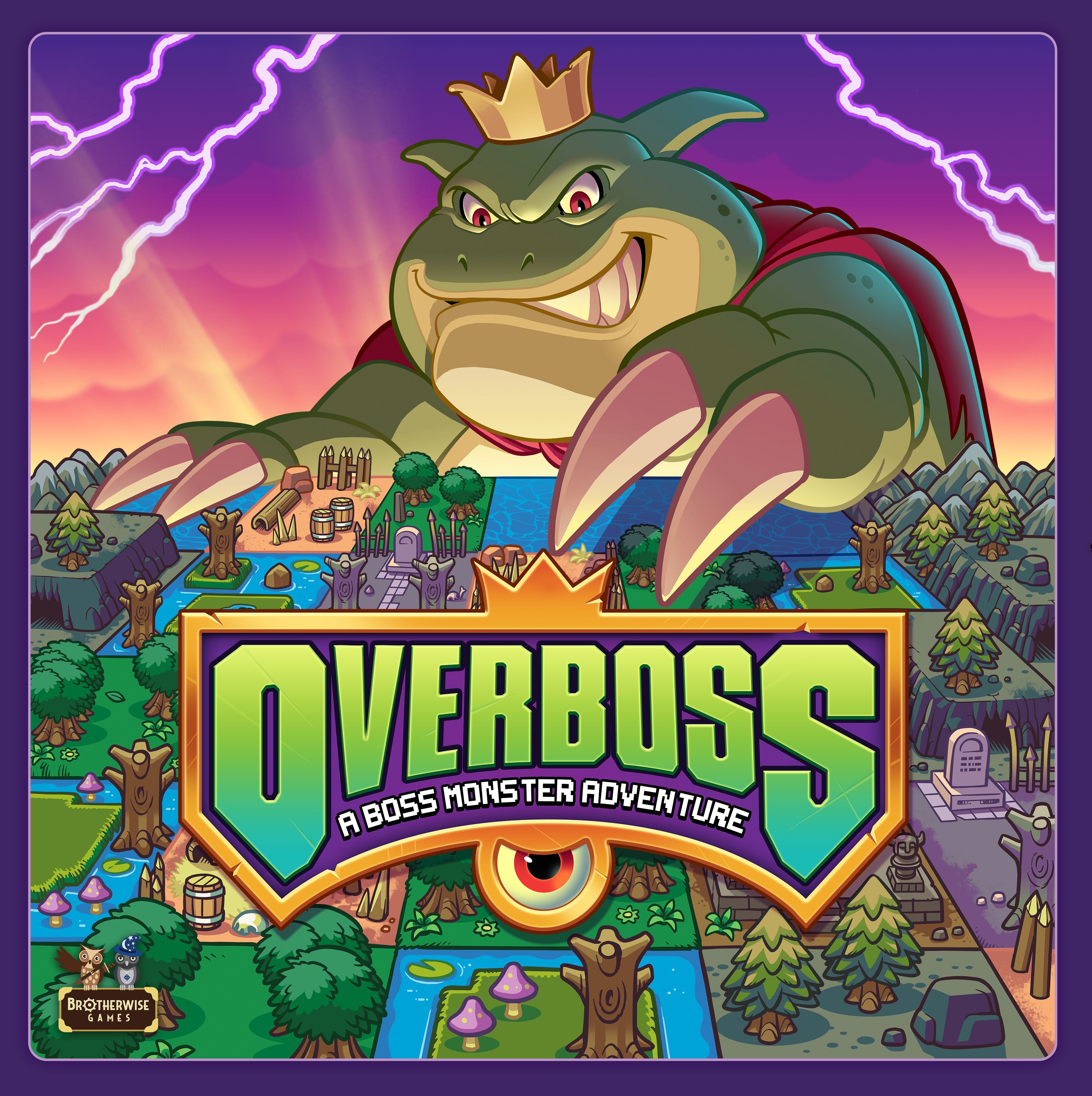
Players build the playing area from the game's own pieces or cards, and the arrangement of those pieces decides where other pieces can be placed or move.
The playing area is made of the game's own pieces or cards rather than a fixed printed board. Pieces are laid out at setup, and their arrangement defines the spaces, the connections between them, and the routes. Other pieces, such as units or markers, sit on these spaces or move across them. Some games use tokens, others use cards.
At the table, the group typically sets out the starting pieces first, and that layout fixes which spaces exist and which touch each other. During play, a player may add, remove, or slide pieces, which changes the shape of the area. Units then move one step at a time along the connections, and a move is counted by how many spaces it crosses. Some games allow pieces to be inserted between others, so the route itself changes mid-game.
The mechanic asks players to read the shape of the layout and anticipate how a rearrangement will open or close paths. Positional planning is less fixed than on a printed board, because an area can disappear or merge when pieces move. Some games fix the layout after setup, so the challenge lies in where pieces are placed rather than in changes. Luck usually enters through the order in which pieces are drawn, while skill lies in reading the shape.