Board game mechanic
Dexterity
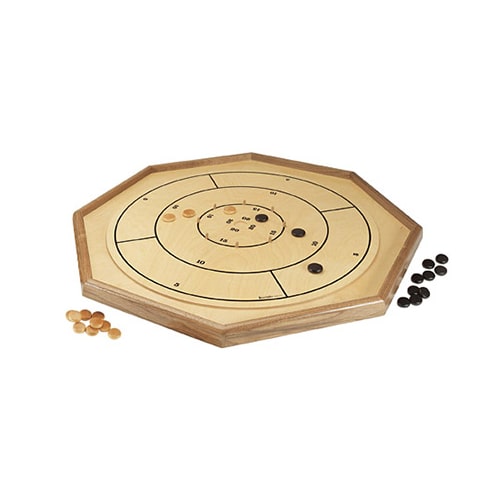
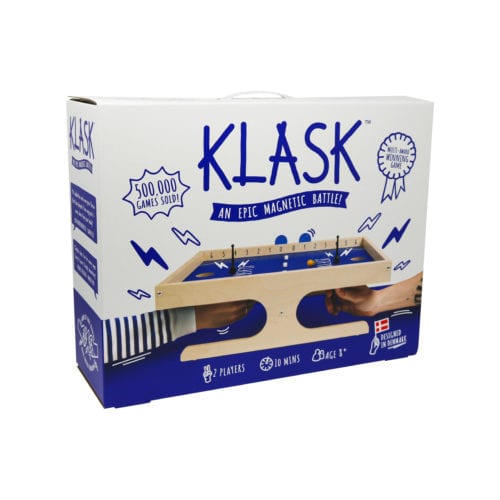
Players perform a physical skill action, such as flicking, shooting, or stacking pieces, and the result of where the pieces end up decides the outcome of the turn.
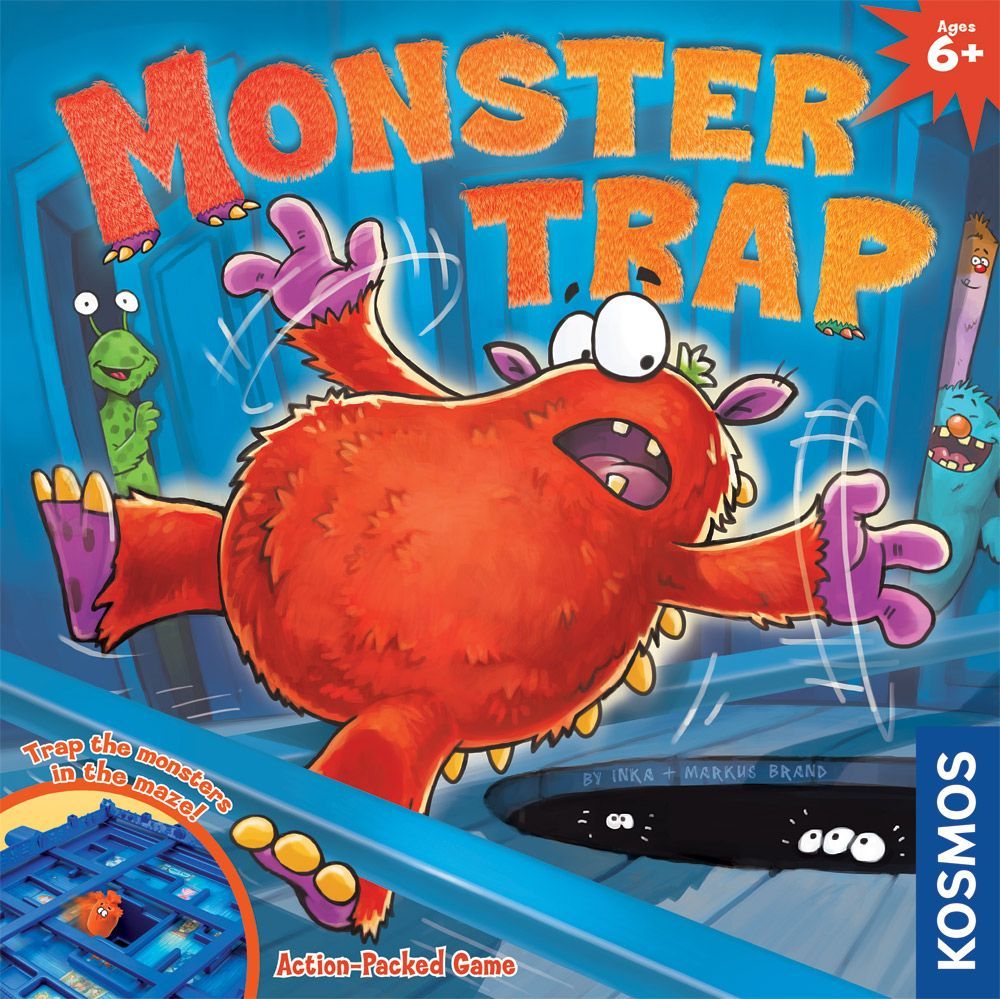
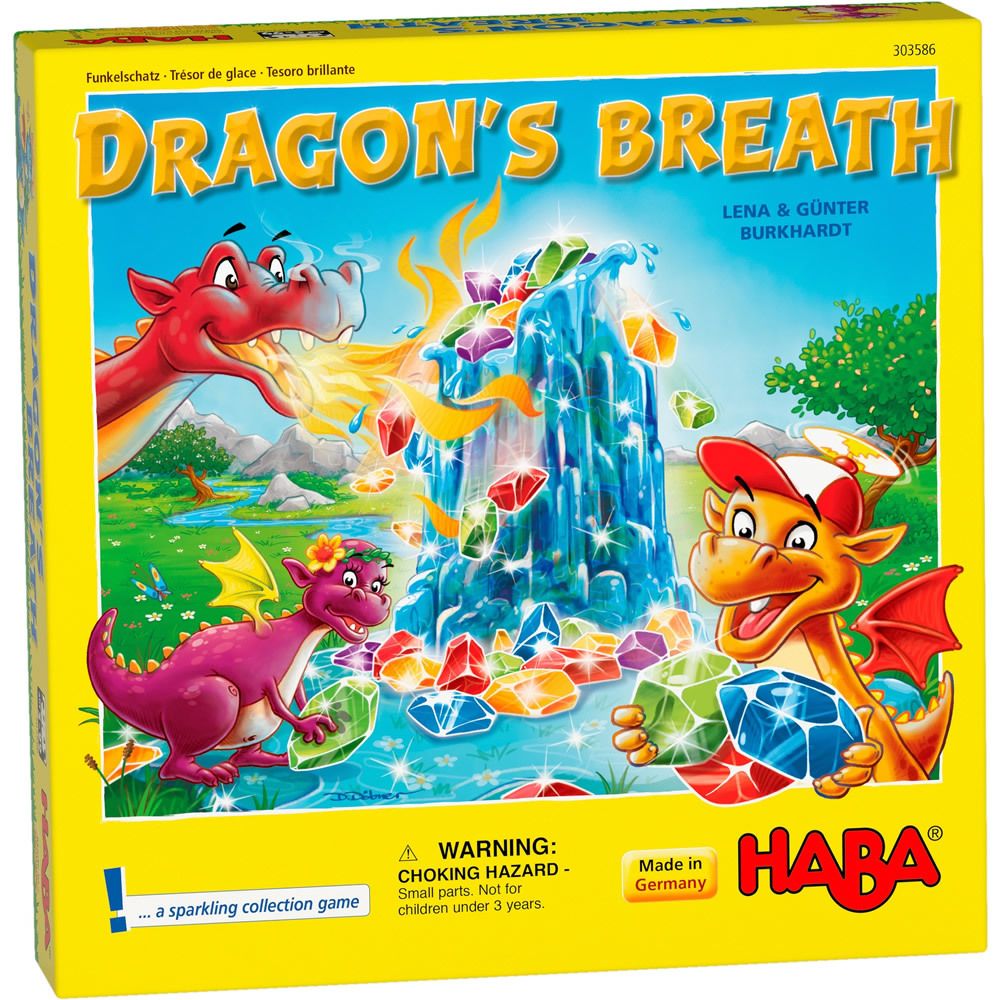
Dexterity is a mechanic in which the result of an action depends mainly on the player's physical handling of components rather than on chance or calculation. Typical actions include flicking discs, shooting marbles, stacking blocks, or dropping pieces toward a target. The skill of the player's hand and eye decides how the action turns out.
On a turn, a player states the action they intend to take and then performs it, usually from a fixed starting position or with a set launch method. The outcome is read from the physical result: which pieces move, fall, or stay on the board. Some games award points for the result, while others remove pieces from play or apply a penalty. Play then passes to the next player, and the cycle repeats until a set end condition is met.
The mechanic asks players to judge angle and force and to accept that a planned action may miss. Players often choose between a safe, easy action and a riskier one with a larger reward. Tension comes from waiting for the physical result. Luck plays a smaller part than in dice-based play, though uneven surfaces or worn pieces can still affect outcomes, and experienced players may gain an advantage through practice.
Dexterity is frequently combined with other mechanics. Some games use it to resolve combat or capture in place of a dice roll. Others pair it with a scoring or tile-based goal, or allow teammates to split the work, with one player aiming and another placing pieces. Variants may change the distance, the launch method, or the target size to adjust difficulty.