Taxonomy / Three Dimensional Movement
Board game mechanic
Three Dimensional Movement
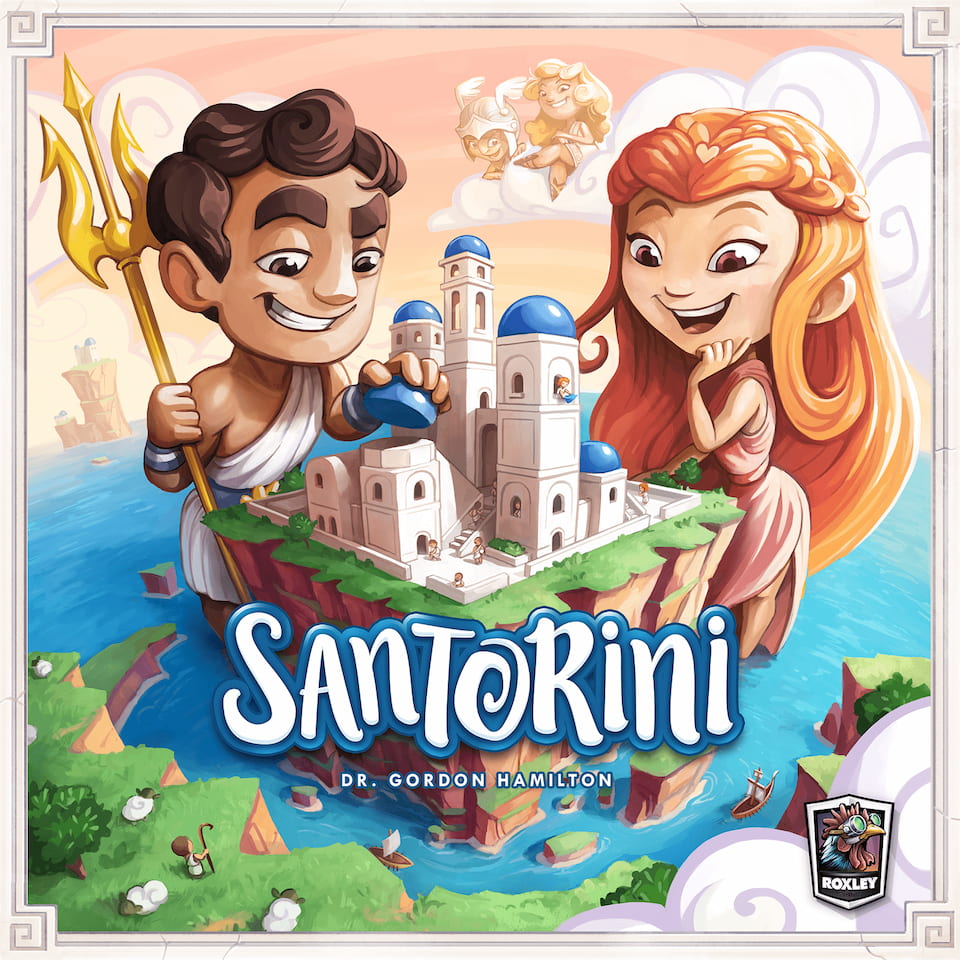
Pieces move through a space with height as well as width and length. Players route units up and down levels and judge which positions can be reached or seen from where they stand.
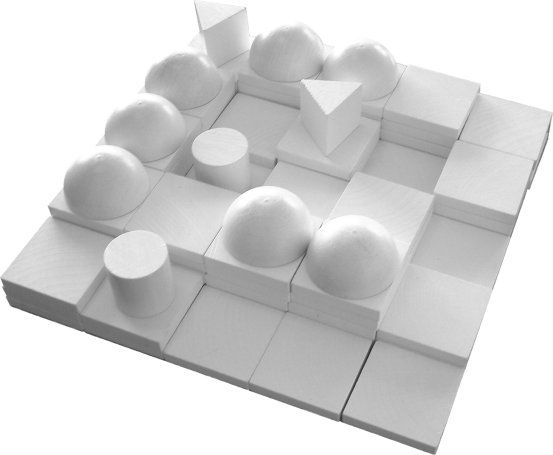
Three dimensional movement means pieces travel through a space with height as well as width and length, so a position needs three coordinates rather than two. The space is usually built as stacked levels or vertical columns, and a piece's location includes the level it occupies. Some games show height with a marker on a flat board instead.
On a turn, a player picks a unit and moves it along permitted paths, counting each step up or down between levels. Rules usually state how far a unit may climb in one move and whether climbing costs extra steps. Before committing, players check whether a path is blocked by a higher level and whether an enemy on another level can be reached or seen.
The mechanic asks players to read the board in three dimensions, which is harder than following a flat map. Squares on different levels can look close yet cost far more to reach, so players spend time checking distances and blocked routes. Height often brings range or visibility advantages, so holding upper levels becomes a real decision. Where movement is fixed, skill in planning matters more than chance.
Variants differ in how the space is drawn. Some use stacked boards, transparent layers, or a single map with height numbers. Others let flying units ignore terrain or add a grid on each level, so the mechanic often sits on top of square or hex movement.