Board game mechanic
Map Reduction
Players share a playing area that gets smaller as the game goes on. Spaces or regions are removed, and pieces on them must move or be lost, so positioning shifts with the shrinking map.
Map reduction is a mechanic in which the playing area becomes smaller during the game. Spaces, regions, or whole sections are taken off the board, so the room players have to move and expand shrinks as play continues. The board may be a fixed layout with sections removed, or a set of tiles that are pulled out of play.
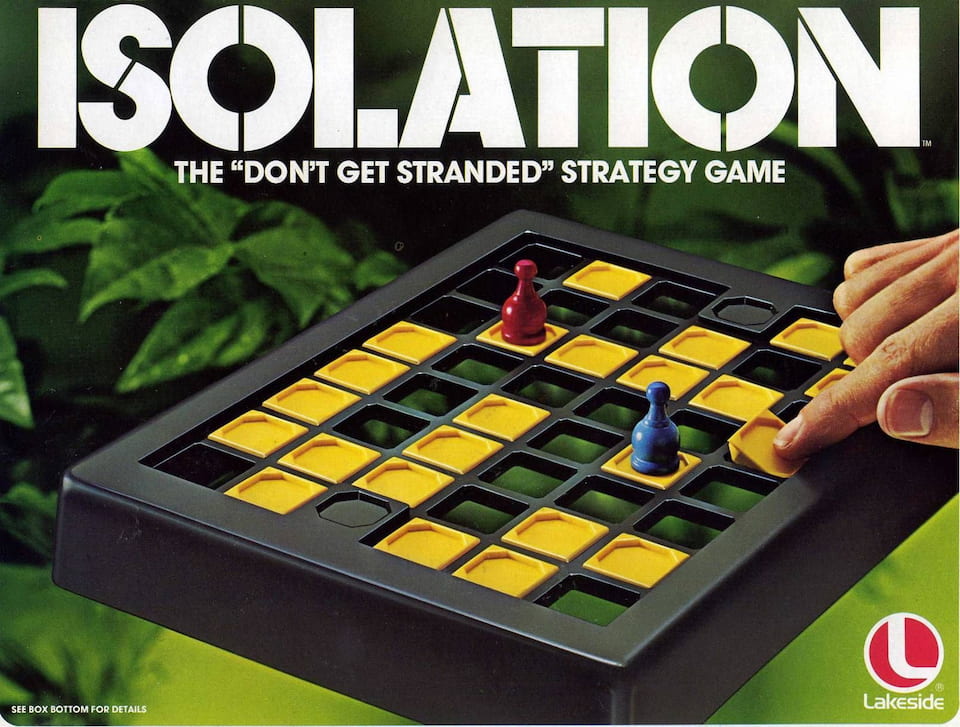
At the table, a game sets a trigger for removal, such as the end of a round, a certain number of turns, or a card being drawn. When the trigger occurs, the designated region leaves play. Some games remove outer spaces first, while others let a player choose which section goes. Pieces standing on removed spaces are usually moved to the nearest remaining space, captured, or eliminated. Players then continue on the smaller map, and paths or connections are often checked again.
The mechanic asks players to keep pieces where the board will still exist and to anticipate which areas will be lost. Crowding grows as options disappear, which raises tension near the end. When the removal order is random, luck affects outcomes, but choosing positions before a shrink is a skill decision. Players must also weigh whether to stay in a contested area that may soon be removed.
Common variants include removing only edge spaces, letting one player pick the section to remove, or linking each removal to scoring. Some games pair the shrinking map with area control, so losing a region also ends a player's hold on it. Its opposite, where the map grows as play continues, is a separate mechanic.