Board game mechanic
Static Capture
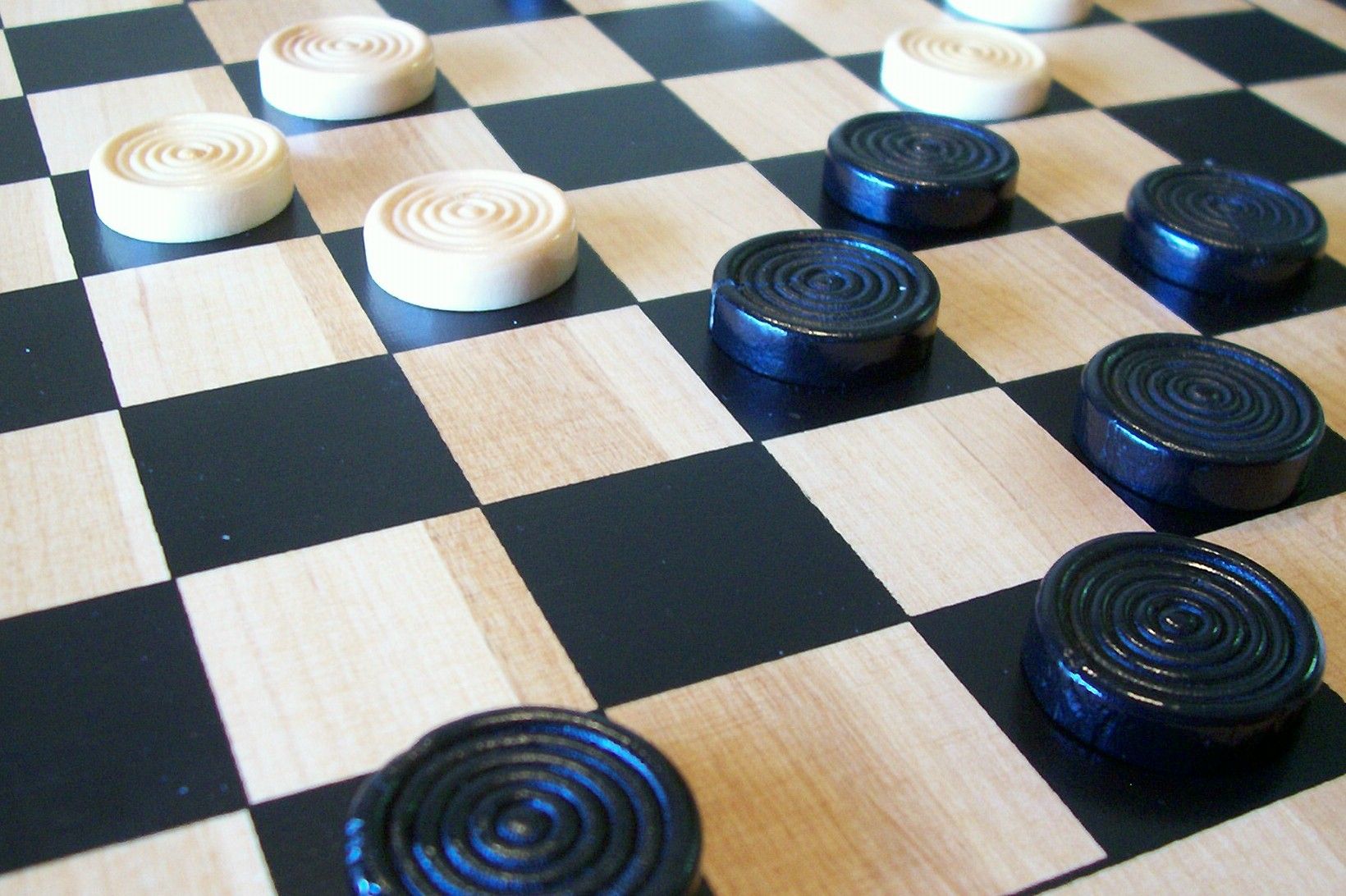
Players remove an opposing piece when enemy pieces surround or flank it, so a capture happens from the arrangement on the board rather than from a piece moving onto its space.
Static capture is a rule in which a piece is removed because of where opposing pieces stand around it. The attacking player does not need to move onto the captured piece's space; the capture is checked against the board's arrangement after a move. The usual pattern is a piece enclosed on all sides by enemy pieces, though some rules use only two opposite sides.
At the table, a player makes a normal move, and the game then checks the neighbouring spaces of enemy pieces near the moved piece. Where the required pattern is complete, the surrounded piece is taken off the board. Some games check only the squares adjacent to the moved piece, while others check every enemy group on the board. Some rules let a player move into a surrounded position safely, and others resolve all captures together after a move.
The mechanic asks players to read the whole local position, not only the square they are aiming at. A piece that looks safe can be lost to a single placement, so players weigh which pieces to extend, which groups to keep connected, and where one move would complete an enemy enclosure. Because the rule is fixed, planning and reading ahead decide the result rather than chance.
Variants differ in how strict the surrounding pattern is, whether diagonal neighbours count, and whether connected groups are captured together. Static capture is often paired with movement rules, so the same board may also support area control goals.